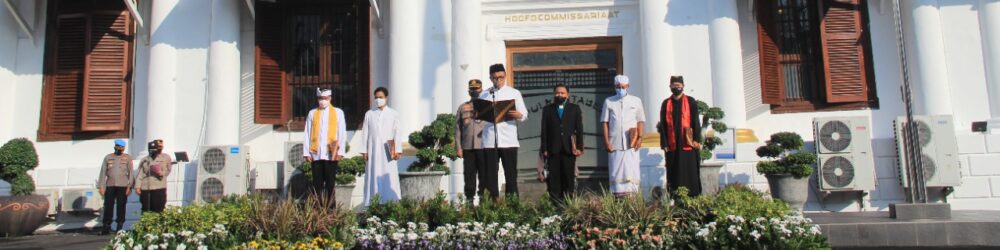
Surabaya, a bustling city in East Java, Indonesia, has gained attention for its progressive initiatives aimed at environmental preservation. The city has recently introduced a groundbreaking program titled “Rehabilitasi yang Ramah Lingkungan,” emphasizing eco-friendly practices in urban rehabilitation. This initiative seeks to revitalize urban spaces while prioritizing sustainability and enhancing community involvement.
The Need for Urban Rehabilitation in Surabaya
Urban areas, including Surabaya, face numerous challenges such as pollution, inefficient waste management, and loss of green spaces. The rapid urbanization has led to environmental degradation; thus, rehabilitation programs become essential. The city’s government recognized the need to implement a strategy that not only addresses these issues but also fosters community engagement for a healthier and more sustainable urban environment.
Objectives of the Program
The primary objectives of the “Rehabilitasi yang Ramah Lingkungan” program concentrate on:
-
Promoting Biodiversity: Increasing the number of green spaces and biodiversity by introducing native plant species, enhancing urban forests, and creating parks.
-
Waste Management: Implementing efficient waste management practices, including recycling, composting, and reducing single-use plastics.
-
Community Involvement: Encouraging residents to participate in environmental activities, such as tree planting and clean-up programs, fostering a sense of responsibility and ownership over local ecology.
-
Sustainable Practices: Educating the community about sustainable living practices, including energy conservation, water management, and organic farming.
Initiatives Under the Program
1. Green Space Development
One of the key initiatives under the program is the development of new parks and the enhancement of existing green spaces in urban areas. Local authorities identified specific areas within the city that suffer from a lack of greenery. The program includes planting trees, shrubs, and flowers native to the region, which not only supports local wildlife but also improves air quality.
2. Eco-Friendly Infrastructure
Surabaya’s rehabilitation program involves upgrading existing infrastructure to make it more environmentally friendly. This includes installing permeable pavements to reduce runoff, promoting the use of solar panels in public buildings, and integrating sustainable practices in public transportation by introducing more electric buses.
3. Waste Management Education Campaigns
Public education is crucial for the program’s success. Workshops and campaigns raise awareness about waste segregation, recycling, and composting. The city government partnered with local NGOs to create engaging content for schools and communities, emphasizing the importance of reducing waste and promoting a circular economy.
4. Community Gardening Initiatives
Encouraging urban farming is another aspect of the rehabilitative approach. The city has launched community garden projects, where residents are invited to cultivate vegetables and fruits in designated areas. This not only supports local food production but also strengthens community bonds as residents come together to cultivate the land.
Partnerships and Collaborations
A significant factor contributing to the program’s success is the collaboration between local government, NGOs, businesses, and community groups. By creating a network of stakeholders, the program harnesses diverse resources and expertise. Local organizations provide volunteer support, while schools engage students in environmental education, fostering a culture of sustainability among younger generations.
Success Stories and Impact Assessment
The initiative has already shown promising results. For instance, the transformation of several vacant lots into vibrant community gardens has received commendations from community members and urban planners alike. Preliminary assessments indicate an increase in local biodiversity and a reduction in urban heat, as more trees and plants contribute to cooler environments.
Challenges and Future Directions
Despite the successes, challenges remain. Some residents are resistant to change, reluctant to adopt new practices, or skeptical about the government’s intentions. Ongoing education and engagement efforts are vital to ensure long-term commitment from the community. Future expansions of the program may include greater technological integration, such as smart waste management systems and real-time monitoring of environmental conditions.
Conclusion
The “Rehabilitasi yang Ramah Lingkungan” program is a significant step forward for Surabaya as it showcases the city’s commitment to sustainability and environmental stewardship. By integrating community-focused initiatives with eco-friendly practices, Surabaya is set to not only restore its urban landscape but also to establish a model that other cities in Indonesia and beyond can emulate. As the program continues to evolve and adapt, it is poised to substantially impact urban living in Surabaya, ensuring a greener, healthier, and more sustainable future for its citizens.
This ambitious rehabilitation initiative reflects a broader trend in global urban planning, underscoring the importance of harmonizing development with ecological preservation. Through dedicated efforts and community participation, Surabaya is on the path to becoming a leader in sustainable urban rehabilitation.